 By flavoursfusion41@gmail.com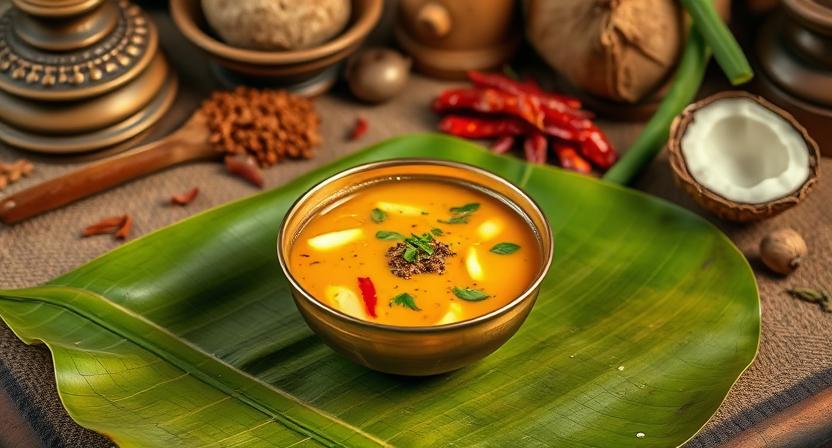
Chefs pass down a veritable gold mine of flavours in Konkani food through the decades, known for its distinctive spice blend and traditional cooking techniques.
. Among the various traditional foods, konkani recipe – devasthana saaru maintains a unique place in the hearts of coastal homes. Chefs frequently make this dish during religious events and temple feasts, blending freshly ground masala, rich spices, and a flavour that lingers long after the meal is finished.
We will cover all aspect of this dish in this blog, from its cultural significance to a comprehensive, easy-to-follow recipe.
What is Devasthana Saaru in Konkani Cuisine?
Chefs prepare the traditional Konkani meal Devasthana Saaru in a temple-style.In contrast to regular curries, cooks frequently prepare this meal for communal feasts, auspicious occasions, and sacrifices to the gods.”Devasthana” means “temple,” and “Saaru” is a spicy, watery curry that people usually serve with rice. In keeping with its ceremonial origins, this dish is vegetarian and devoid of garlic and onions.
History and Cultural Significance of Konkani Recipe – Devasthana Saaru
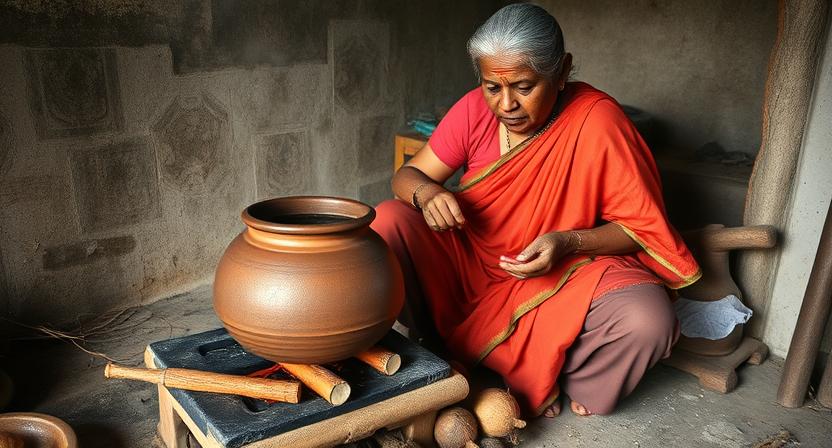
In the Konkani community, the people closely entwine food and culture, and temple cooks prepare foods in the temple style, such as Devasthana Saaru, which holds great cultural significance.This curry, which cooks traditionally make during yearly celebrations, represents devotion and purity.They use carefully chosen ingredients, hand-ground spices, and traditional cooking techniques.This makes the dish a spiritual experience for followers as well as a culinary delight.
Key Ingredients Used in Devasthana Saaru
To create the authentic flavor, a specific set of ingredients is used. Freshly roasted and ground spices form the heart of this dish. Here’s what you need:
- Tamarind pulp: Gives the dish a tangy taste.
- The earthy foundation flavour is provided by coriander seeds.
- Dry red chillies: Add spiciness and complexity to the meal.
- Grated coconut: Harmonises creaminess and spice.
- Curry is tempered with mustard seeds.
- Turmeric powder: Offers a subtle taste and colour.
- Jaggery: A little sweetness to counterbalance the sharpness.
- Salt: As needed.
Using fresh, high-quality spices makes a noticeable difference in the taste of this traditional recipe.
Step-by-Step Preparation of Konkani Recipe – Devasthana Saaru
To extract the most flavour, this meal requires a few crucial steps: roasting, grinding, and boiling. To make the real temple-style curry at home, follow these steps:
Preparing the Tamarind Extract
- For fifteen minutes, soak a lemon-sized tamarind ball in warm water.
- Squeeze the heavy pulp out. Put aside.
Roasting Spices
- Put a pan over low heat.
- Dry red chillies and coriander seeds should be roasted until fragrant.
- Gently toast the grated coconut until it turns golden brown.
- Allow the mixture to cool fully.
Grinding Masala
- After roasting, put the ingredients in a blender.
- Grind to a smooth paste after adding a tiny bit of water.
- This masala serves as the curry’s foundation.
Cooking the Saaru
- The tamarind extract should be added to a large pot and brought to a boil.
- Add salt and jaggery. Simmer for five to seven minutes.
- When the tamarind water is boiling, stir in the newly ground masala paste.
- Cook for 10 to 12 minutes over low heat, or until flavours are fully combined.
Tempering (Seasoning)
- Warm up some coconut oil in a small saucepan.
- Let the mustard seeds sputter after adding them.
- To preserve the scent, immediately cover the saucepan after pouring the tempering over the saar.
Your Konkani recipe – devasthana saaru is now ready to serve with hot steamed rice.
Flavor Profile of Devasthana Saaru
The spicy, acidic, and faintly sweet flavours in this meal are all perfectly balanced. The dish’s distinctive tang is provided by the tamarind, while the toasted coconut and coriander seeds add a deep, earthy flavour. It’s light but incredibly tasty because it doesn’t contain onions or garlic.
Serving Suggestions
Devasthana Saaru pairs wonderfully with:
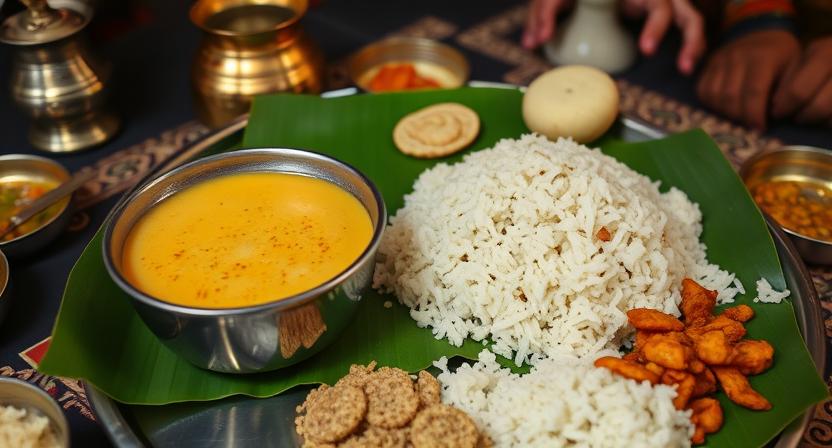
- White rice steamed
- Easy stir-fried vegetables (palya)
- Sandige (sun-dried fritters) or papad
- A topping of homemade ghee
Many traditional households enjoy this dish as part of a festive meal served on banana leaves, enhancing the overall dining experience.
Tips to Make Authentic Konkani Recipe – Devasthana Saaru at Home
- Use a stone grinder: For a more genuine flavour, try grinding spices in a traditional stone grinder.
- Select Kashmiri chillies because they add a vibrant red hue without overpowering the dish’s spice level.
- Jaggery and tamarind should be balanced; the meal shouldn’t be too sweet or sour.
- Cook over low heat: Flavour and aroma are enhanced by slow cooking.
- To maintain the genuine temple-style vibe, wooden ladles are traditionally used for serving instead of metal spoons.
Why Try This Traditional Temple Curry?
A lot of recipes change over time, but Devasthana Saaru’s special preparation and spiritual link have made it endure. This dish is not simply about flavor; it represents purity, communal togetherness, and culinary history. You can experience a bit of the Konkani culture that has been passed down through the years by making this dish at home.
Health Benefits of Konkani Recipe – Devasthana Saaru
In addition to being tasty, this classic dish has health benefits. Curry’s spices, such turmeric and coriander, offer anti-inflammatory qualities. Tamarind promotes gut health and facilitates digestion. This recipe is a light yet wholesome choice for daily meals because it doesn’t contain heavy oils or other additives.
Variations of Konkani Recipe – Devasthana Saaru
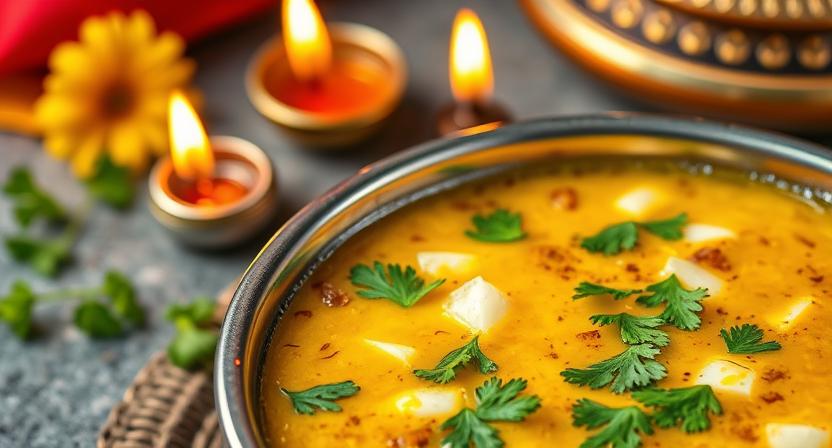
This meal is prepared slightly differently in different Konkani households. While some families add a pinch of asafoetida for a deeper flavour, others add fresh curry leaves for additional scent. For a distinct bitterness that counterbalances the tanginess of tamarind, some temple chefs employ a particular combination of roasted fenugreek seeds. The meal retains its classic character while becoming more adaptable thanks to these regional tweaks.
Final Thoughts on Konkani Recipe – Devasthana Saaru
More than just a meal, the Konkani recipe Devasthana Saaru is a component of a centuries-old custom based on culture and devotion. This recipe adds a healthy touch to any meal with its ideal balance of spices, acidity, and temple-style simplicity. You may make this traditional Konkani curry in your kitchen and savour the classic flavour that many generations have enjoyed by following the instructions and advice provided above.